DÉFENSE ZONE

Created as early as 1975 to tackle rising crime, the Gendarmerie’s surveillance and intervention platoons are specialised units whose members are operational 24 hours a day. Deployed in particular in sensitive areas, these platoons are also responsible for criminal investigation, intelligence and counter-terrorism missions.
History of the PSIG
In 1975, intervention detachments were created to curb rising crime and relieve the departmental brigades. Two years later, in 1977, these units officially took the name of Gendarmerie surveillance and intervention platoon (PSIG). At the time they were made up of NCOs and auxiliary gendarmes. From 1999 and the end of military conscription, PSIG personnel were NCOs but also volunteer assistant gendarmes (GAV) and reservists.

In 2001, in partnership with EDF, nuclear PSIGs, specialising in interventions at nuclear sites, were set up. They were gradually replaced between 2009 and 2012 by the Gendarmerie specialised protection platoons (PSPG). PSIGs specialising in air transport (PSIGTA) were created in 2004. After the terrorist attacks that struck France in 2015, the Ministry of the Interior announced a series of measures to give the security forces the ability to respond to terrorist attacks within a short time of 20 minutes. In this context, the role of the PSIGs was strengthened, the PSIG Sabre units were created, and they were given additional weapons.
From 37 platoons in 1978, the Gendarmerie gradually grew to 138 PSIGs in 1988, 310 in 2000 and finally 395 in 2023.

PSIG missions
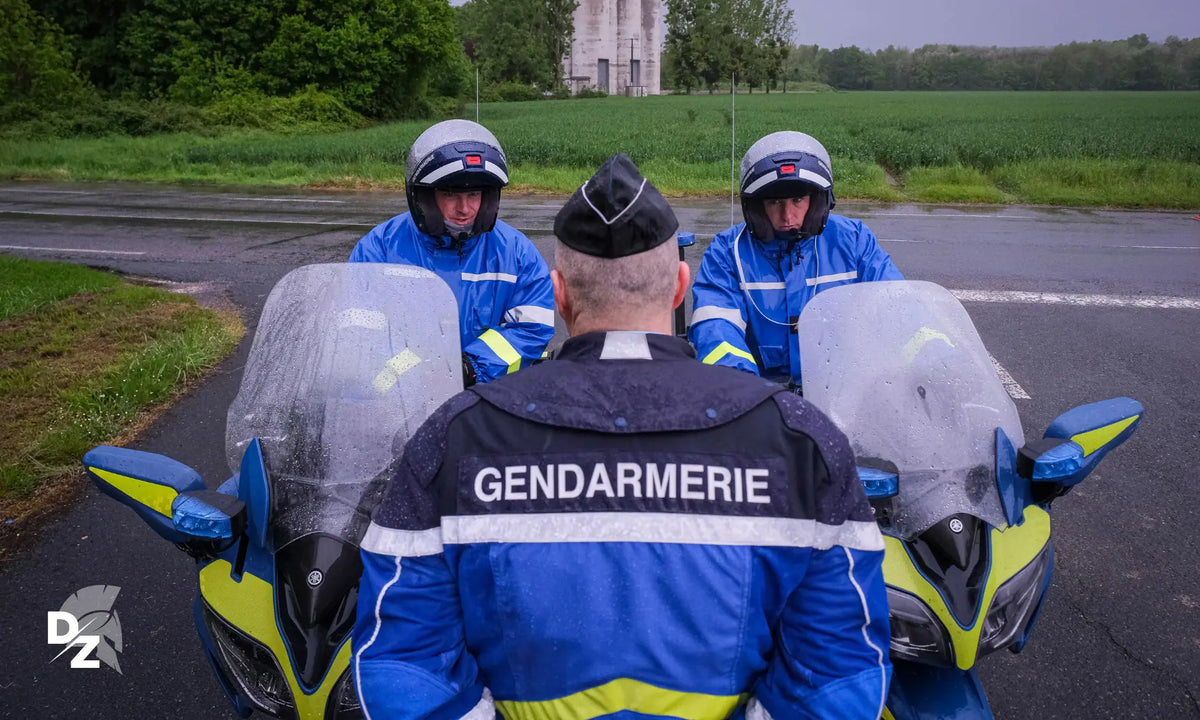
The gendarmes of the surveillance and intervention platoons patrol by day and by night in a defined geographical area, which is wider than that of a territorial unit. They operate in the most sensitive sectors or those experiencing an upsurge in crime.
The PSIG’s mission is to fight street crime by reinforcing the brigades’ actions. They can thus monitor sensitive areas (also with a view to prevention and deterrence), intervene when a situation calls for additional resources (brawls, public disorder, protection operations…), carry out criminal investigation missions (arrests at home, prisoner transfers…) or conduct intelligence operations.
More specifically, the PSIGTA (air transport) includes observer/counter-snipers in its ranks, who ensure the security of VIPs as they arrive at or leave an airport area.
The PSIG Sabre units, for their part, are platoons that have obtained a qualification and training enabling them to intervene in the event of a terrorist act. Created in 2016, there are now 150 of these units in the Gendarmerie, spread across the whole country, and they can be deployed very quickly.
PSIG organisation
The Gendarmerie today has 395 PSIGs in mainland France and the overseas territories, including six PSIGTA (within the air transport gendarmerie, at the Roissy, Orly, Lyon, Marseille, Nice and Toulon airports) and 150 PSIG Sabre.
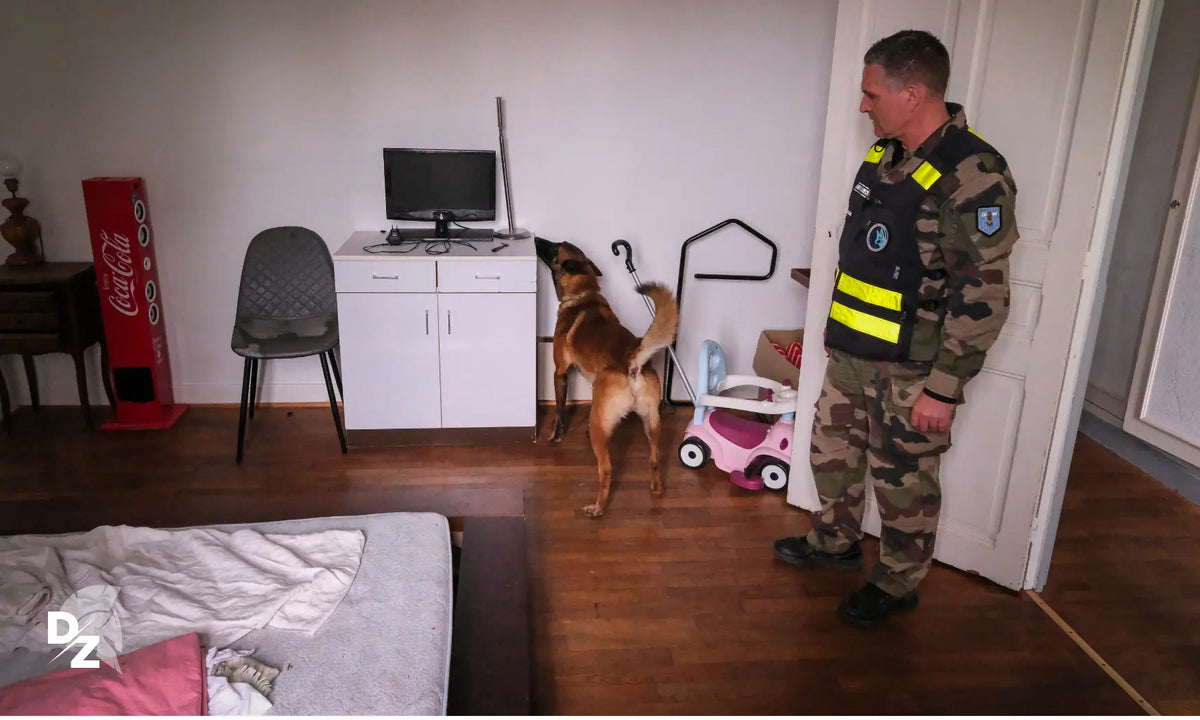
Each platoon has between 12 and 40 gendarmes and is commanded by an NCO with the rank of chief warrant officer (adjudant-chef) or major, or more rarely by an officer with the rank of lieutenant. The platoons are made up of various specialities, such as criminal investigation officer, dog handler and professional intervention instructor (MIP).
In 2022, the PSIG professionalisation plan provides for these units to be stepped up, by increasing their operational capabilities and strengthening their presence on the ground. To achieve these objectives, the ministry planned to convert 3,000 volunteer assistant gendarmes (GAV) into NCOs, at a rate of 1,000 GAV per year, and to provide the PSIGs with better equipment and more regular training.
PSIG equipment
Like their colleagues in the Mobile Gendarmerie, the members of the Gendarmerie’s surveillance and intervention platoons can, depending on their missions, be heavily equipped and armed.
Their standard weapons are the HK G36 assault rifle, the Sig-Sauer SP 2022 pistol, the HK UMP 9 mm submachine gun and the 12-gauge Browning pump-action shotgun. In addition, they carry non-lethal weapons such as the telescopic protection baton, a personal defence spray, an electric stun gun, a less-lethal projectile launcher (LBD) and sting-ball grenades.
Their outfit is the classic navy blue uniform, and they can wear various items of protection: a lightened bulletproof vest (10 kg instead of 25 kg) reinforced with a plate carrier, a combat helmet fitted with a ballistic visor, or a tactical shield.
How to join a PSIG?
There are three ways to join a Gendarmerie surveillance and intervention platoon:
- Without qualifications: by first becoming a volunteer assistant gendarme in the field (GAV APJA); recruitment takes place throughout the year.
- Baccalauréat level: by passing the NCO competitive exam (SOG), held once a year.
- Master’s level (bac +5): this level of education gives access to the officer competitive exams (OG).
Find details of these types of recruitment in our article on the French Gendarmerie.
It is also possible for a gendarme to progress during their career and thus rise in rank and responsibility through internal competitive exams (from GAV to NCO, or from NCO to officer).
Once posted to a PSIG, gendarmes continue to train through instruction given by professional intervention instructors, so as to always be up to standard (shooting, combat, intervention techniques and tactics, etc.)
Subscribe to our magazine to receive the upcoming print editions, access exclusive content and take advantage of equipment and gear offers from our partners. Head to the Premium section.