DÉFENSE ZONE
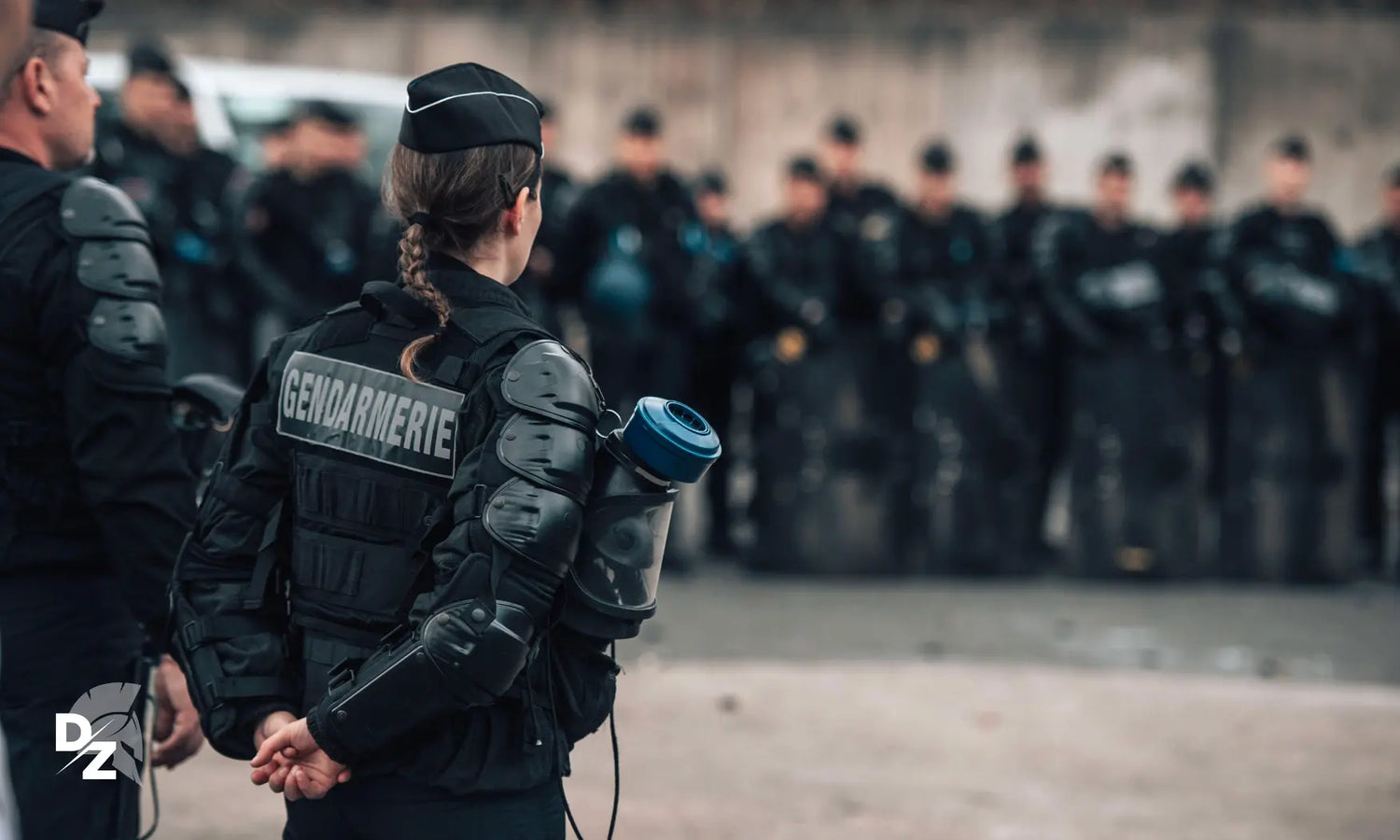
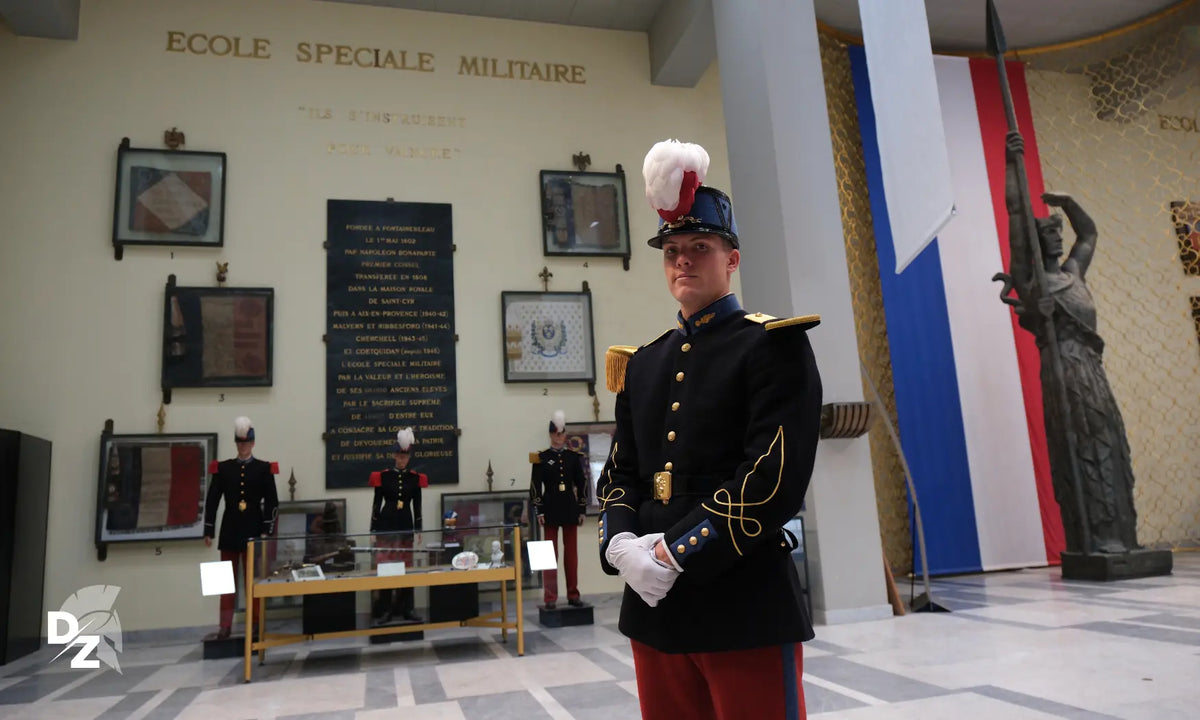
In the Gendarmerie, training is not an interlude in a career: it is its backbone. From joining a school to the most demanding command roles, each professional stage is part of an organised progression, designed in line with operational needs. This architecture rests on the French Gendarmerie Schools Command (CEGN), the single operator for recruitment and for both initial and continuing training.
25 schools, 12,000 recruits a year
The CEGN is a network of 25 schools and training centres, staffed by 3,000 military and civilian personnel. Every year, it recruits 12,000 new service members and welcomes more than 25,000 gendarmes in continuing training. This centralisation provides an overall view of flows, skills and future needs: it is the tool for managing jobs and career paths available to the Director General of the Gendarmerie.
Each rank its role, each role its training
Career paths are organised according to a structured logic: each rank corresponds to a role, each role to identified skills, and these skills to dedicated training. Access to certain posts — commanding a territorial brigade, joining a specialised unit, exercising judicial responsibilities, deployment in public order or professional intervention — requires prior validation of a precisely defined core of skills, delivered through long-term statutory or role-based courses on a “just what is needed, just in time” basis.
Read the rest of this article by General Laurent Bitouzet in Défense Zone #22.
To find out more
Reread our investigation into gendarmes’ pay in 2026 and our books on the Gendarmerie — and follow our news.