DÉFENSE ZONE
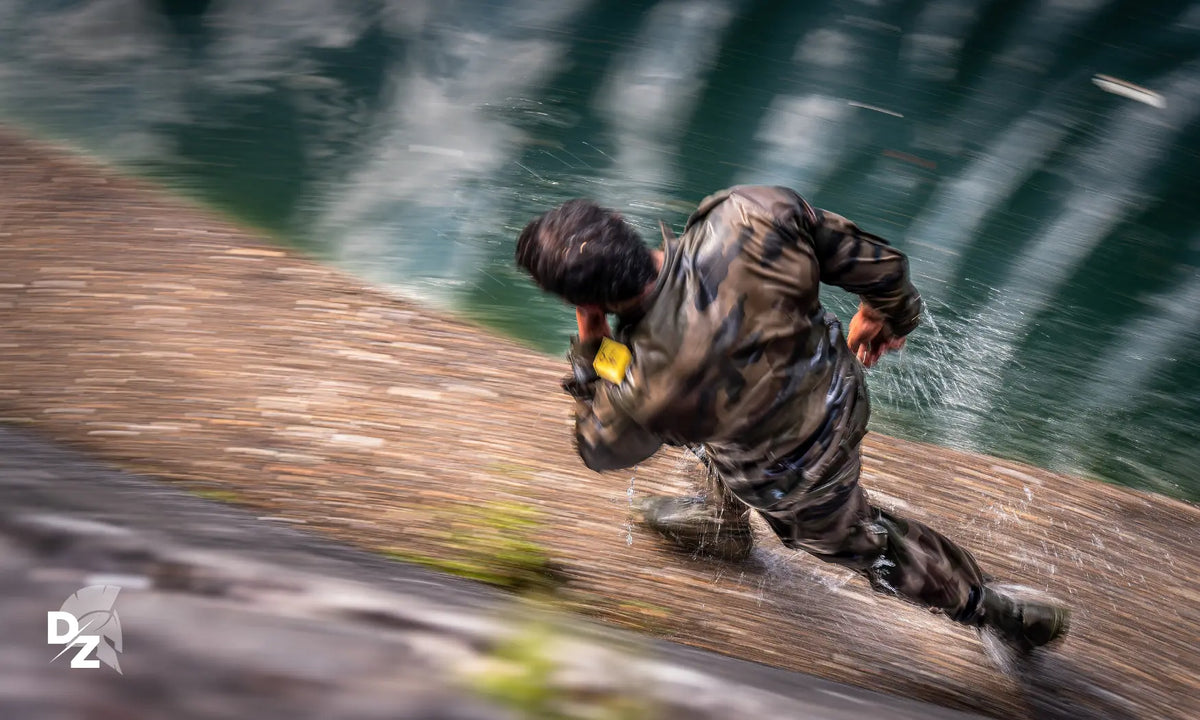
The physical tests in military selection do not require you to be an athlete: they require you to be consistent. Eight weeks of structured preparation — running first and foremost, bodyweight strength training, and gradual progression — are enough for most candidates to turn up with confidence. The classic mistake is not a lack of fitness: it is injury, picked up by trying to make up for years of inactivity in a fortnight.
What is actually assessed
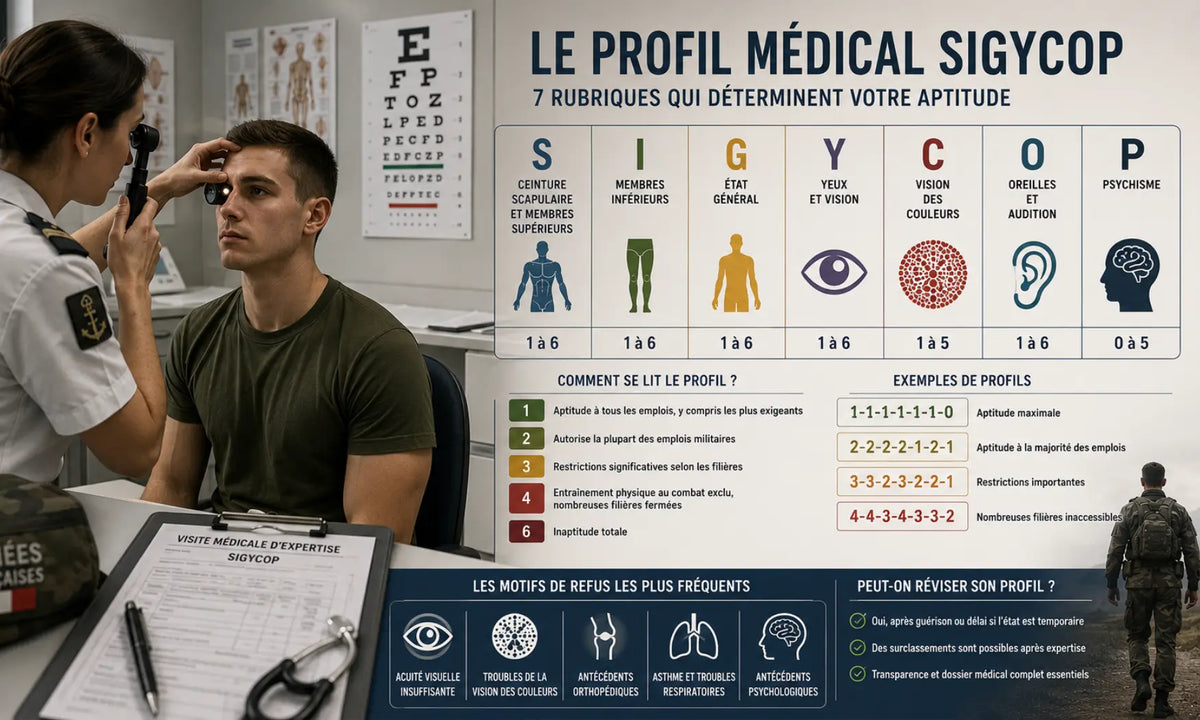
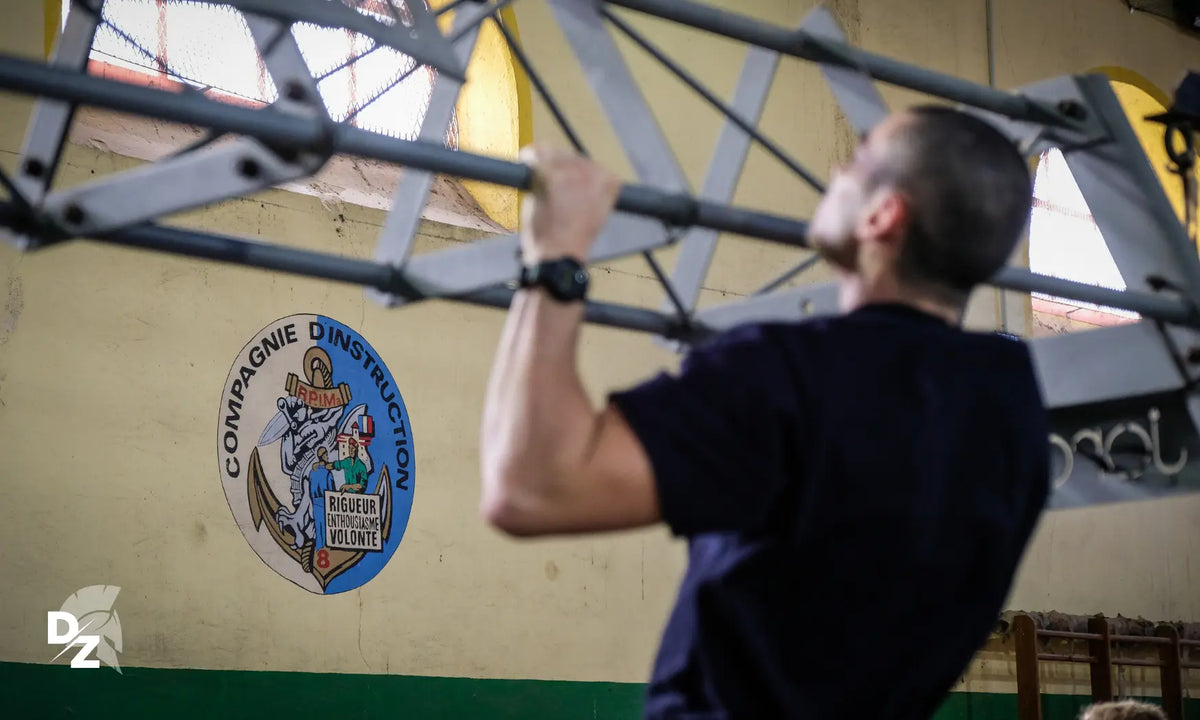
The tests vary according to the service and the type of entry, but revolve around the same fundamentals: cardiovascular endurance (running, either a progressive shuttle-type test or a set distance), upper-body strength (pull-ups or variants), core strength and general physical ease. The assessment places the candidate more than it eliminates them — except where the level is far too low — and the real filter remains the medical examination, as we explain in our investigation into selection tests. But beware: once in initial training, physical activity becomes a daily routine — and that is where poorly prepared candidates drop out.
The fundamentals over 8 weeks
The foundation that trainers agree on: three running sessions a week, alternating slow jogging (the basis of your volume), a progressive interval session and a longer run; bodyweight strength training every other day — push-ups, planks, squats, and a specific pull-up progression if you are starting from zero (negative pull-ups, resistance bands); at least one full rest day per week. Progression above all: increase volume by about 10% per week, never more. And two neglected factors that make all the difference: sleep and shoes — running in worn-out shoes is the shortest route to the shin splints (periostitis) that will cost you your selection.
The mistakes that cost a selection
Three traps come up time and again: the sudden catch-up (going all out in the last two weeks — injury almost guaranteed), skipping running in favour of weight training (selection and training value endurance first), and arriving tired on the day — the last week should be lighter, not harder. If you have any medical doubt (knees, back, asthma), see a doctor before starting: better a medical opinion beforehand than a discovery at the fitness-for-service examination.
FAQ — Physical preparation for the military
How long does it take to prepare?
Eight weeks of regular work are enough for most candidates starting from an average level; allow longer if you are starting from zero.
Do you need to be able to swim?
Being at ease in the water is required or highly valued in several branches (the Navy, French marine troops (troupes de marine), special forces) — check the requirements for the speciality you are aiming for.
What running level?
Scoring scales vary; aiming to be able to run for 30 to 45 minutes continuously at a sustained pace is a sound basis for initial selection.
Do women take the same tests?
The tests are identical, with scoring scales adapted according to the test and the branch.
Instructors and young recruits talk about initial training in the Défense Zone podcast — follow our news.