DÉFENSE ZONE
At the end of 2024, in our pages, the director of Euronaval stated that the dronisation of navies “is under way” and that the prospect of a high-intensity conflict “is a cause for concern”. At the time, this was still a matter of anticipation. Two years later, it describes the present. When the doors of Hall 6 open on 3 November, exhibitors and delegations will arrive with a year of real naval combat in mind, rather than scenarios.
Two years, a turning point
On 28 February 2026, Iran closed the Strait of Hormuz. Four days later, a US submarine sank the Iranian frigate Dena. In March, France deployed eight frigates, two amphibious helicopter carriers and its carrier strike group to the Middle East; the Charles de Gaulle returned after 166 days at sea. In the Red Sea, missiles costing a million euros were fired at drones worth a few thousand. In the Black Sea, an underwater drone struck a Russian submarine alongside the quay, a first. Finally, Hormuz was not locked down by torpedoes costing several million but by mines, the oldest weapon there is under water.
Each of these episodes would have been enough to fuel a show. Coming together within twelve months, they change the nature of Euronaval: people no longer come just to look at hulls, they come to understand how a navy holds out over time against an adversary that strikes under water, in the air and in the wallet.

What this changes
For naval staffs, the lesson is arithmetic. The French Navy fields fifteen first-rank frigates against a target of eighteen, and its new Chief of Staff, Admiral Christophe Cluzel, in post since 15 July 2026, is calling for a “dronisation shock” to multiply the eyes and arms of each hull. For buyers, the cost of interception has become a central question: how many munitions, at what price, for which threat. And for industry, order books have never been so full, nor competition so fierce, from German to Korean shipyards.
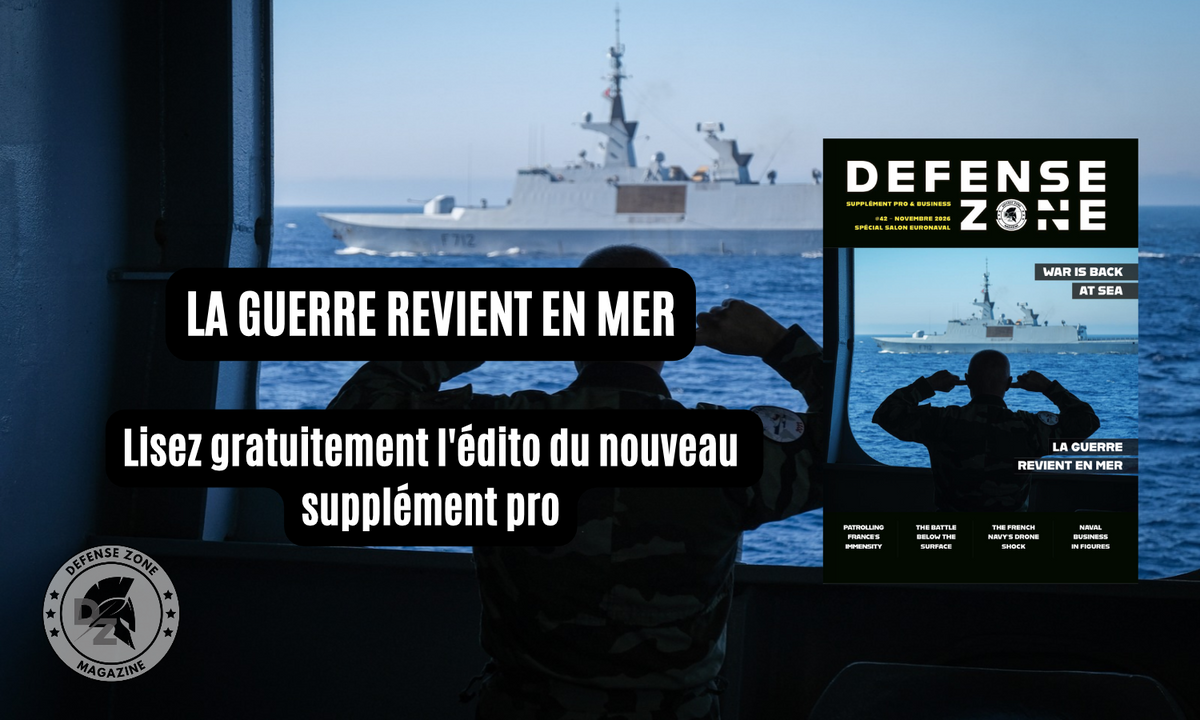
It is precisely these three readerships that the Pro & Business supplement distributed by Défense Zone at the show is aimed at.
It does not describe the equipment on display. It explains what these two years change for those who design, buy, command or serve, through four investigations published in French and English.
First, the French presence in the vastness of the Pacific, with the six Overseas Patrol Vessels: thirty sailors for several million square kilometres, and a growing question, that of a contested presence.
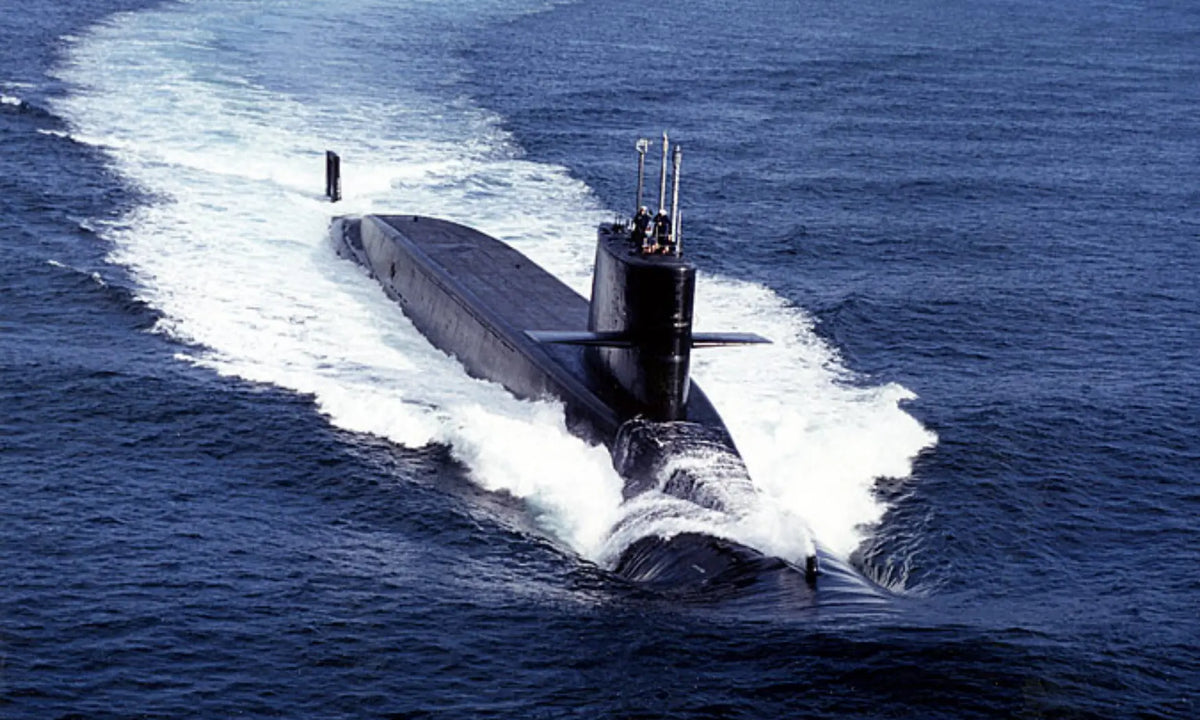
Next, the battle beneath the surface: L’Invincible and the Suffren class, the Dutch Orka, the 6,000-metre objective, the mine-countermeasure drones ordered after Hormuz, and what Naval Group’s competitors are selling under water.
The dronisation shock sought by the new Chief of Staff: who is building the uncrewed fleet, for what purpose, and under what business model, between the 40-million-dollar American platform and the 250,000 Ukrainian expendable.
Finally, the money: who pays for the ships, in an industry that has never sold so much, with its order books, its competitors, its standing and its 6,000 recruitments planned for 2026.
Where to find it
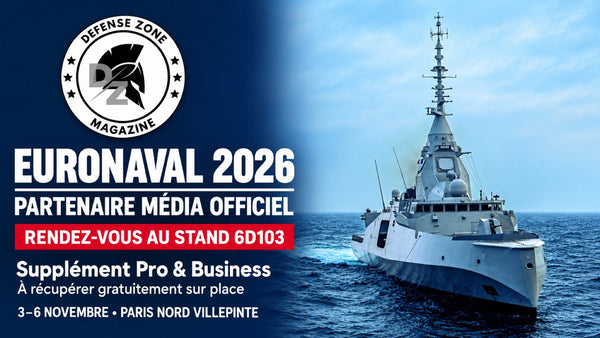
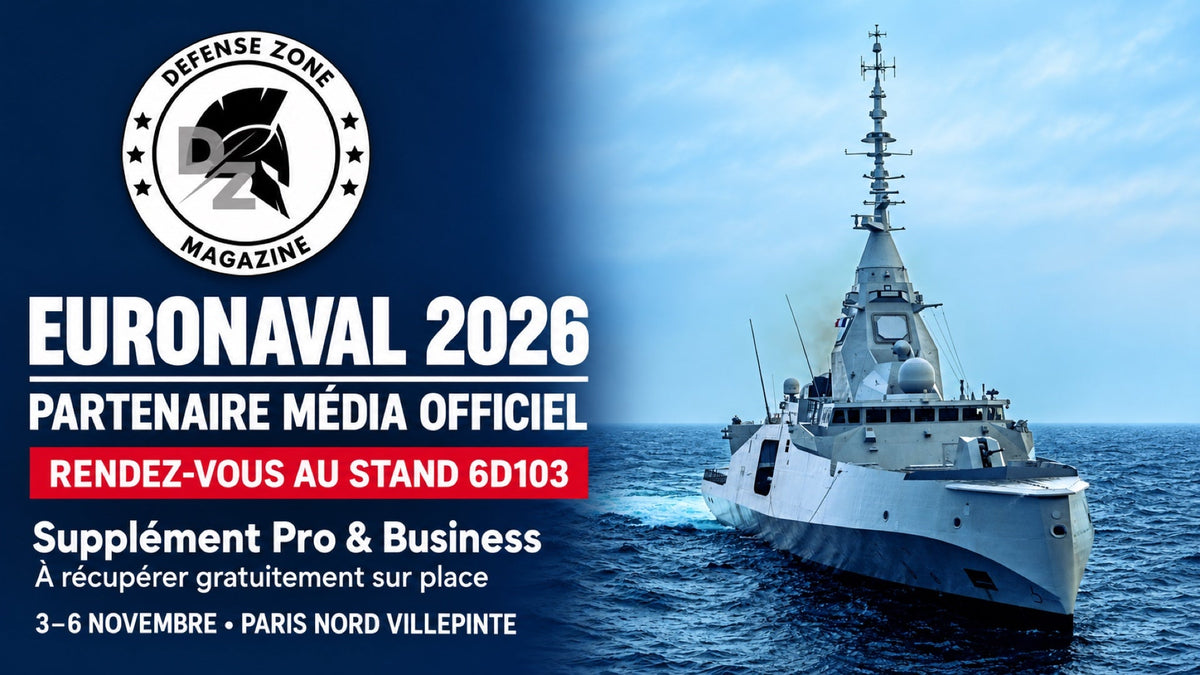
The supplement is handed out free of charge to visitors during the four days of the show, notably on the Défense Zone stand, 6D103, where the team will be waiting for you (see Heading for Euronaval 2026 with Défense Zone). Its digital version is available from the opening in the Pro & Business area. Subscribers will also find previous supplements there (more than 40 available with Premium access).
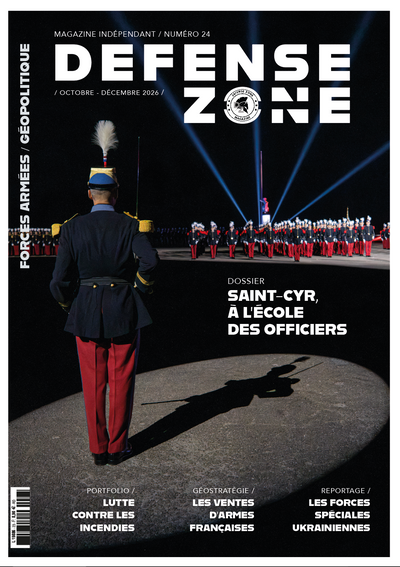
To go further: subscribe to Défense Zone Premium to receive the magazine, the Pro & Business supplements and the professional newsletters.