DÉFENSE ZONE

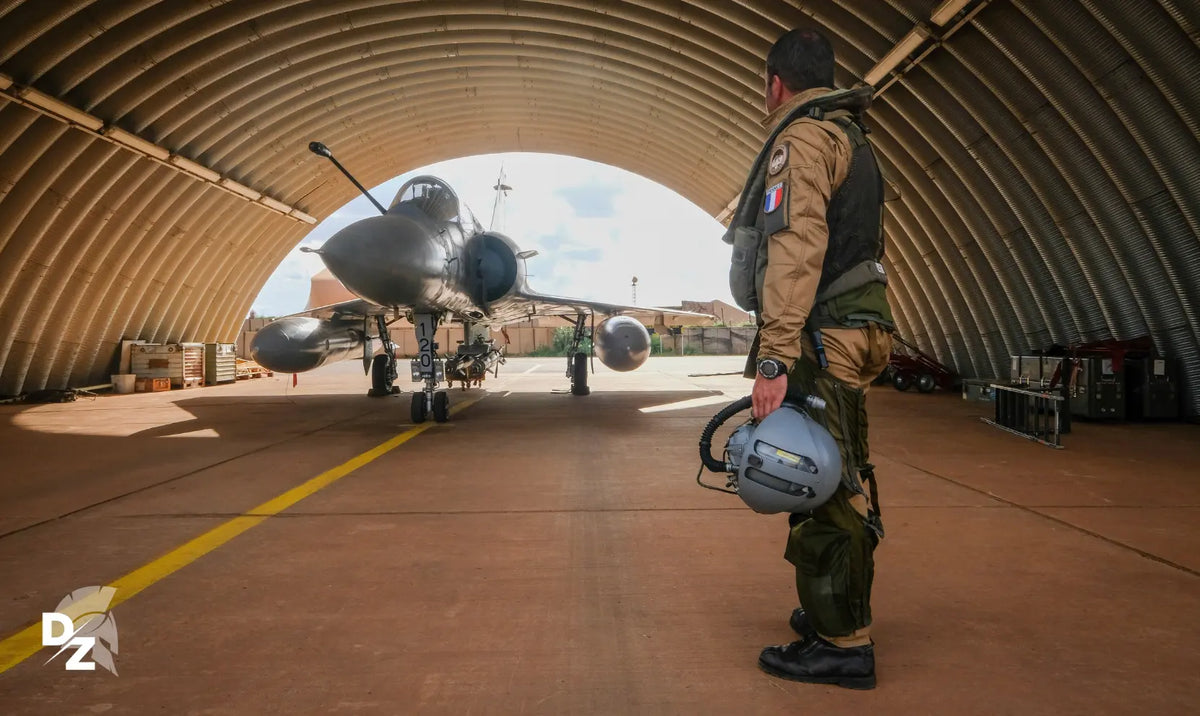
The face-off between the Rafale and the F-35 goes far beyond a simple technical comparison. These two modern fighter jets in fact embody two different approaches to air combat.
On one side, an aircraft designed for stealth and network-centric warfare. On the other, an aircraft built for versatility and autonomy.
Two opposing military doctrines
The F-35 Lightning II was designed to operate in heavily defended environments. Its priority is clear: not to be detected. Its stealth, combined with its sensors and data fusion, allows it to collect and share information in real time. It fits into an overall combat system.
The Dassault Rafale follows a different logic. It is designed as an omnirole aircraft, able to carry out several missions in succession during a single flight. It favours flexibility, autonomy and the ability to act alone if necessary.
Further reading: the fastest fighter jets in the world and the fighter jets of the US armed forces.
See, deceive, survive
In modern combat, the main challenge is detection. The F-35 seeks to remain invisible for as long as possible. The Rafale, for its part, relies on active survivability.
Thanks to its SPECTRA system, it can detect threats and jam or deceive enemy radars. In terms of weapons, the Rafale notably carries the Meteor missile, capable of engaging at very long range. The F-35, for its part, has to strike a balance between stealth and payload.
The real issue: cost and dependence
Beyond performance, the key question remains cost and support. The F-35 is part of a complex system, with heavy maintenance and strong dependence on the American ecosystem.
The Rafale offers a more controlled approach, with greater autonomy for user countries. This point is becoming strategic: buying an aircraft also means choosing a model of dependence.