DÉFENSE ZONE

The forthcoming adoption of the ASAP act, intended to boost ammunition production in Europe, is causing concern among manufacturers about the confidentiality of the information requested by Brussels.
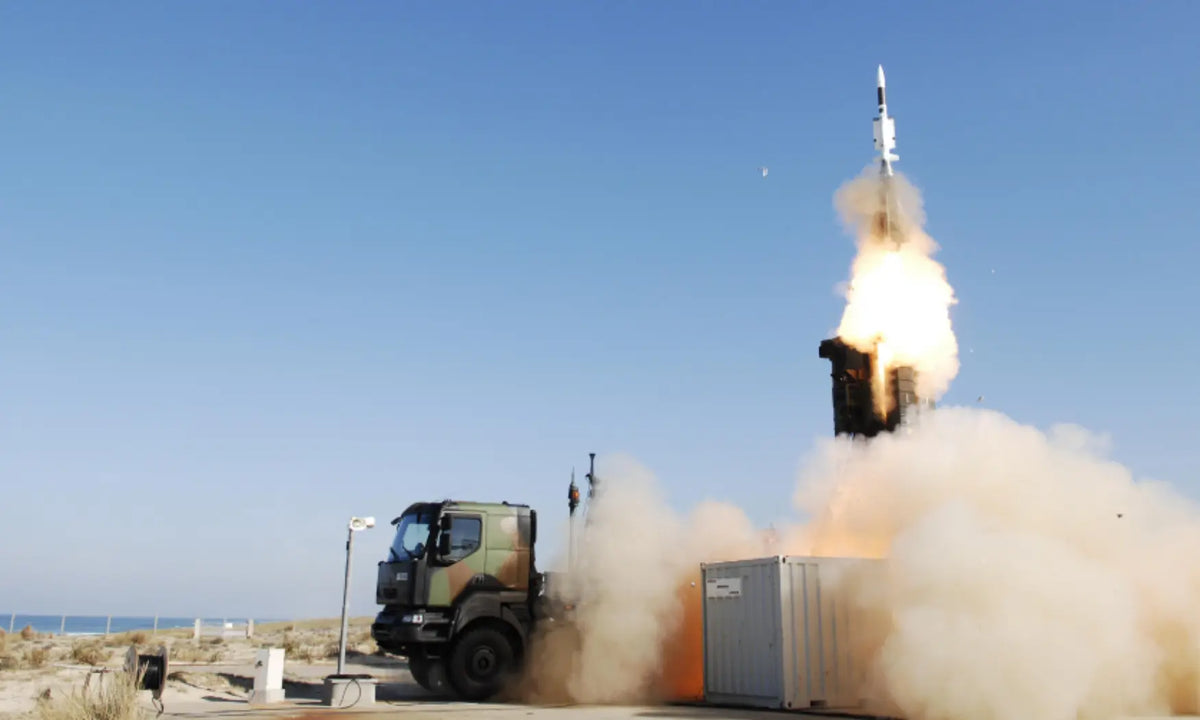
On Thursday 1 June, the European Parliament adopted the ASAP act (Act in Support of Ammunition Production) with the aim of increasing the production of ammunition and missiles in Europe. This legislation seeks to resolve the current shortage of defence products, in particular ground ammunition, missiles and their components, while strengthening the European Union’s capacity to meet security challenges and to support Ukraine. The ASAP act also provides for temporary mechanisms to ensure the lasting and timely availability of these products for buyers within the European Union. The legislation, presented by the European Commission on 3 May 2023, was adopted by 446 votes to 67, with 112 abstentions. Negotiations between MEPs and the Council are now scheduled in order to reach a political agreement that will be put to a plenary vote in July.
However, despite the EU’s general support for this initiative, some member states are expressing concern about excessive interference from Brussels and about transparency in the sharing of information on industry production capacities. The ASAP act provides for a right of access to sensitive information: “The European Commission will identify, map and continuously monitor the availability of these defence products, their components and the corresponding raw materials”. Enough to expose “for all to see” bottlenecks, supply chains, stocks and difficulties in accessing certain products. According to EU diplomats interviewed by the outlet Euractiv, “some member states fear that Brussels will be too intrusive”.
The confidentiality of industrial data, in particular the mapping of production capacities, is crucial for defence companies and is protected from foreign governments, international bodies and competitors. Member states therefore want guarantees regarding the use, security and sharing of this information. Industry representatives and EU diplomats stress that the European Commission must clarify its intentions regarding the use of this information.
The issue of confidential information had already hampered negotiations on the European Defence Fund (EDF), another EU programme aimed at promoting research and development in the field of defence. Companies have often been asked to provide sensitive information without any real indication of the purpose of such requests or any guarantee of confidentiality.
You can subscribe to our magazine and receive our latest issue, whose feature is devoted to Special Operations Command, access exclusive content and benefit from equipment and gear offers from our partners. Head to the Premium section.