DÉFENSE ZONE

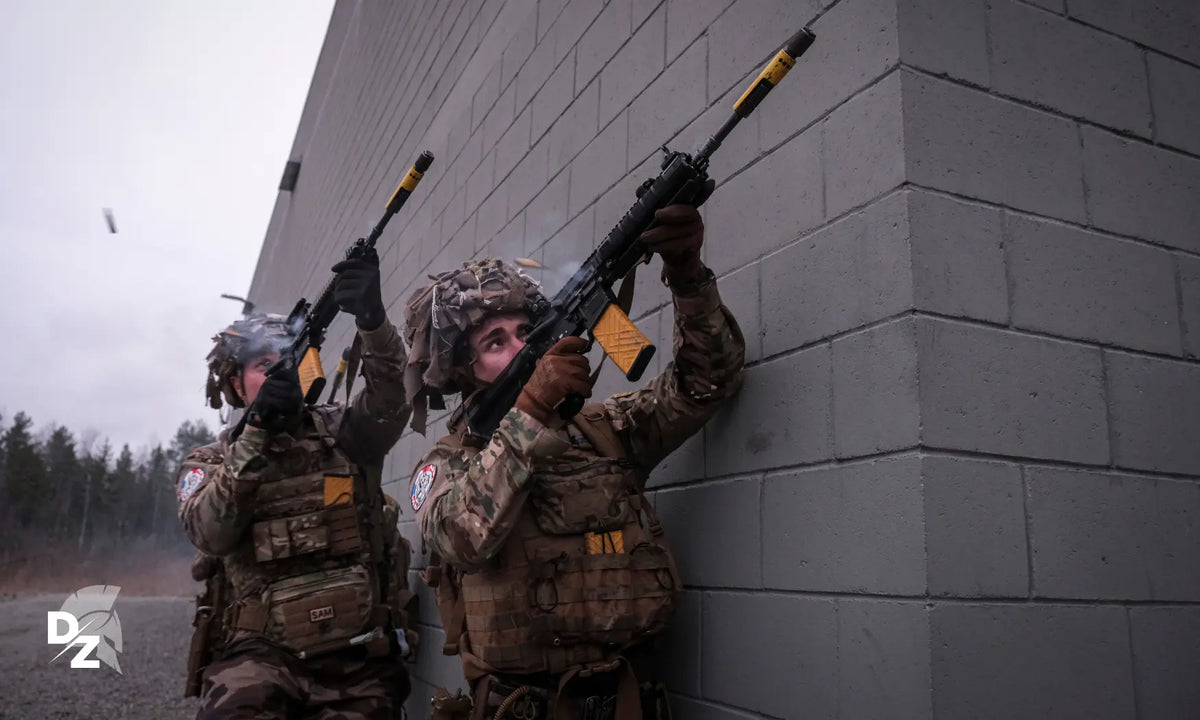
Among the roughly 7,500 soldiers who make up the 11th Parachute Brigade of the French Army, there is a small elite unit with exceptional skills. Its name: the commando paratroopers group (GCP).
This veritable praetorian guard of the 11e BP is made up of 200 hand-picked military freefallers. Drawn from all the units of the parachute brigade (with the exception of the 1st Parachute Logistics Regiment), they are trained to carry out deep operations against a specific enemy.

On the front line facing the enemy
In an airborne operation, their mission is to go in ahead of the main force to gather intelligence, secure the area and support the landing of all the units, whether airborne or not.
On several occasions during overseas operations (OPEX), GCP soldiers have been dropped onto unreconnoitred areas to seize and prepare airfields. Without them, aircraft, and therefore troops and equipment, cannot land, making it impossible to deploy the bulk of the manoeuvre forces.

Often the first to be deployed during a Guépard alert (France’s rapid-reaction standby), the commando paratroopers can be dropped by day or night onto high-risk areas, from several types of aircraft and sometimes from very high altitude.
Partners of the special forces
As intelligence specialists, they provide the first tactical information to the staff for the conduct of operations. They may also be called on to support a special forces action, such as a hostage rescue.
Based in Balma, near Toulouse, the headquarters of the commando paratroopers group is responsible for directing the various commando groups.

Each infantry regiment has three teams of ten commandos. The support regiments (engineers and artillery) have two teams each, and one team from the 11th Parachute Command and Signals Company completes the organisation of this hand-picked unit.
History of the commando paratroopers group
The GCP was founded in 1965 as the “high-altitude operational jump teams” (SOGH). In 1982 they took the name Commandos de renseignement et d’action dans la profondeur (deep reconnaissance and action commandos, CRAP), which they kept until 1999.
The CRAP’s first operational deployment took place in 1969, when the team from the 2nd Foreign Parachute Regiment (2e REP) was sent into action during the Chadian civil war (1965-1979). Since then, the GCPs have been present in most of the conflicts in which France has been involved.
War on terror in Mali

One of them, conducted by members of the commando paratroopers group with elements of the FAMa (Malian armed forces), eliminated around thirty jihadists belonging to the Islamic State in the Greater Sahara, in the Ménaka region near the border with Niger.
How do you become a commando paratrooper?
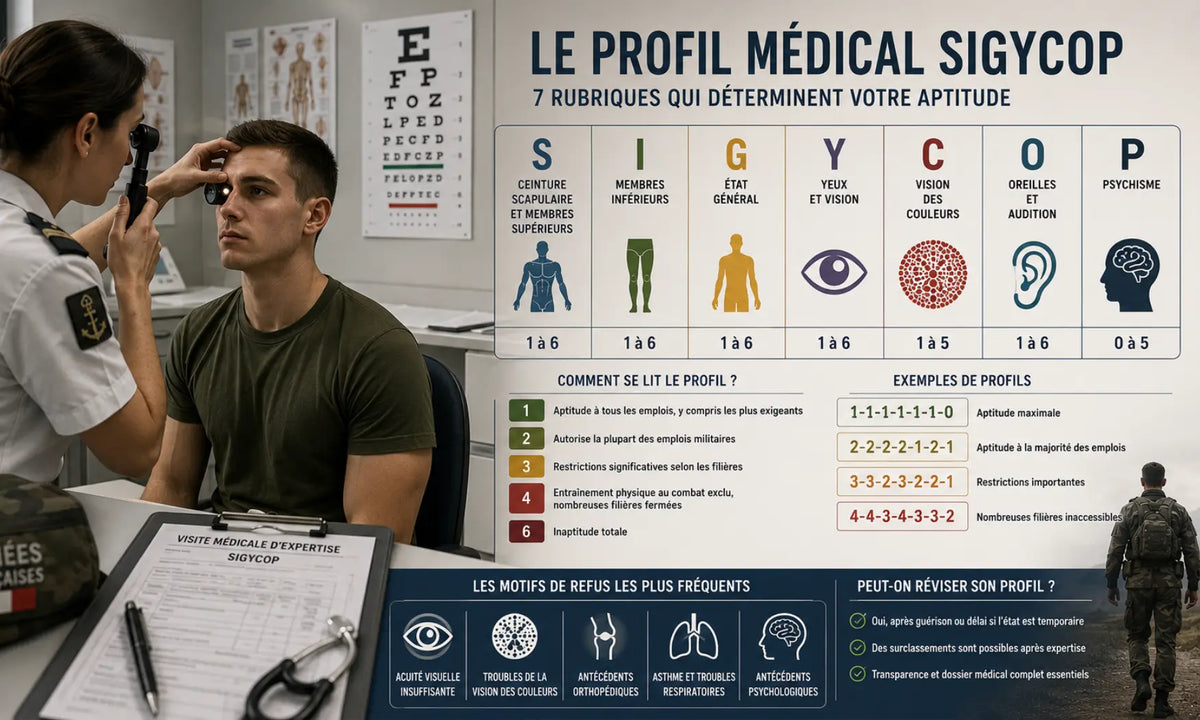
Becoming a commando paratrooper is a real obstacle course. In addition to flawless rigour and operational capability, candidates must have served a certain number of years, hold the rank of corporal for enlisted personnel, be medically fit as “military freefallers” and be able to obtain “secret défense” security clearance.
Then a long series of interviews, physical tests (obstacle course, 30 km march, aggression test, etc.) and psychometric tests identifies the best candidates.
Once selected, the young commandos spend several months on training and qualification courses in their regiment, but also at the National Commando Training Centre or the Airborne Troops School, before earning the prestigious badge.
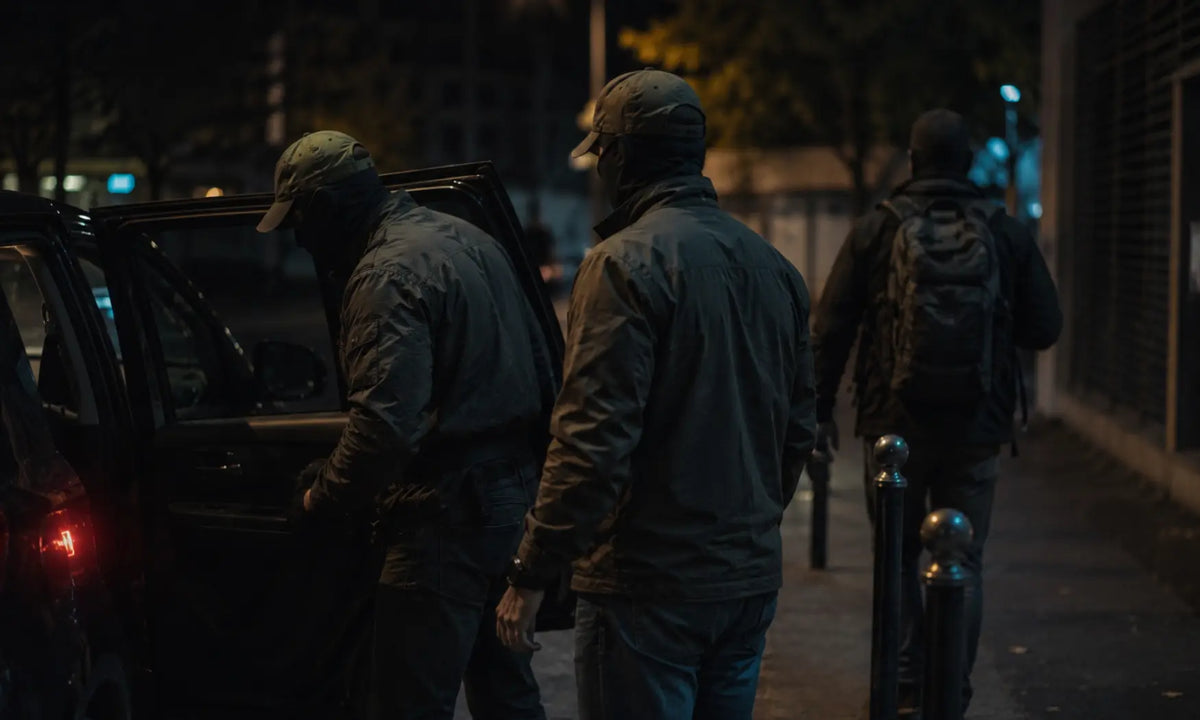
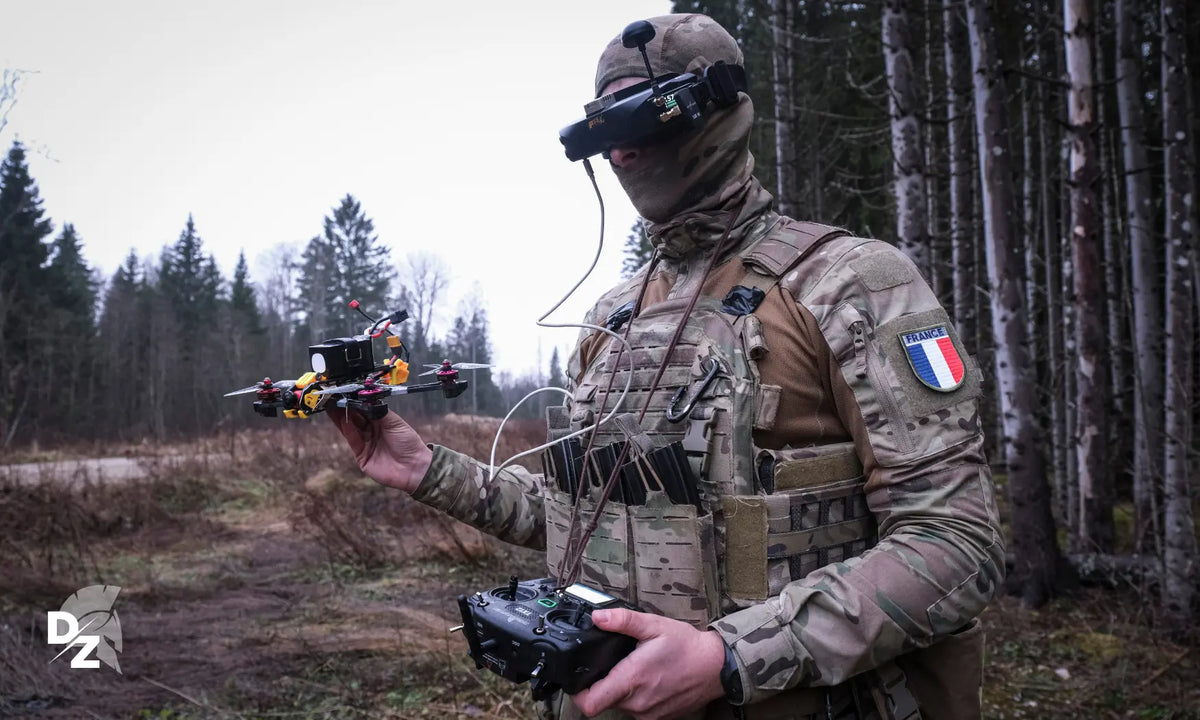
Anonymity is at the heart of the commando paratrooper’s job, and even though the GCPs are not officially considered special forces, you will never see these elite soldiers with their faces uncovered.
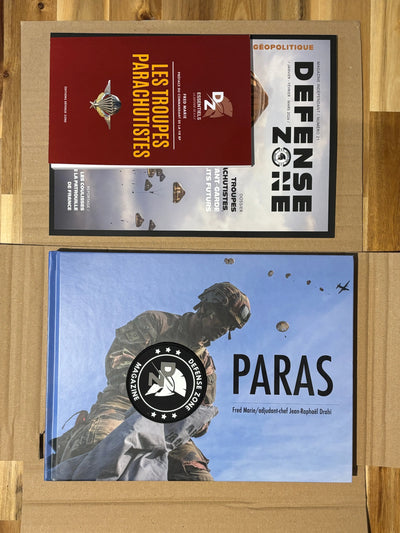
If you would like to see more images on this theme, we recommend the book “Paras”, the last copies of which are available here.