DÉFENSE ZONE
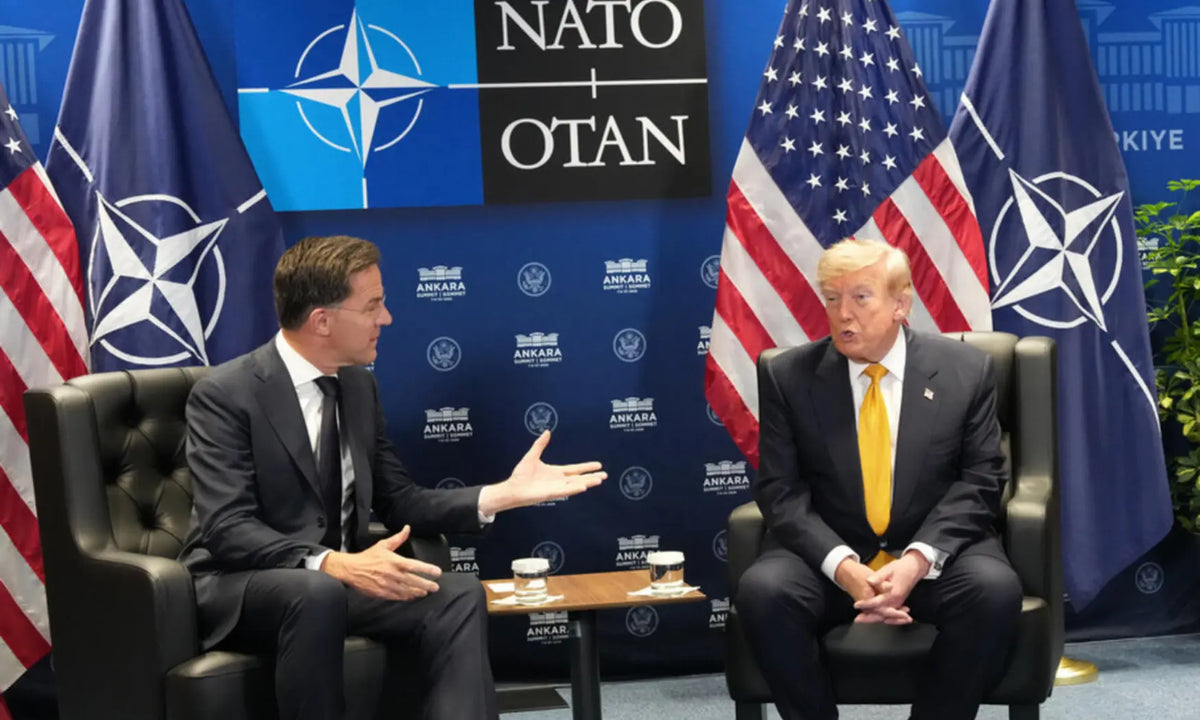
Contrary to popular belief, Article 5 of the North Atlantic Treaty does not automatically trigger a military response: each ally undertakes to take “such action as it deems necessary, including the use of armed force”. It has been invoked only once in 75 years: by the United States, after the attacks of 11 September 2001. What the text really says, and what would actually happen.
What the text says exactly
Article 5 states that an armed attack against one member “in Europe or North America shall be considered an attack against them all”. But what follows is deliberately flexible: each ally assists the party attacked “by taking […] such action as it deems necessary”. There is no legal automatism: a country could in theory limit itself to logistical or diplomatic support. The strength of Article 5 is political — the reasonable certainty, for an aggressor, of facing the entire Alliance — rather than mechanical, as NATO itself points out.
The only invocation in history: 11 September 2001
A founding paradox: designed to protect Europe from a Soviet attack, Article 5 has been used only once — for the benefit of the United States, in the aftermath of 11 September 2001. The allies then provided AWACS aircraft, naval deployments and support for the Afghanistan campaign. Since 2022 and the invasion of Ukraine, however, Article 4 — mere consultations in the event of a threat — has been activated several times by the eastern allies, notably during drone and missile incursions.
What would actually happen?
A textbook scenario: a clear-cut attack on a member. Step 1: the attacked country refers the matter to the North Atlantic Council, which establishes that an attack has taken place and invokes Article 5 — by consensus of all 32. Step 2: the military command (SACEUR) proposes options, pre-approved defence plans are activated, rapid reaction forces deploy. Step 3: each capital decides on its national contribution — this is where solidarity is really put to the test. For France, participation would involve its conventional forces; its nuclear deterrent, on the other hand, remains strictly national and does not fall under NATO — a French specificity that we detail in our analyses of sea-based deterrence.
The grey zone: the real challenge
The question occupying strategists is not a massive invasion but the threshold: sabotage of undersea cables, a major cyberattack, “stray” drones, little green men — so many acts of aggression calibrated to stay below the Article 5 trigger. NATO has recognised that cyber and space can fall under Article 5, without saying where the line lies: a deliberate ambiguity, so as not to hand the adversary an instruction manual for impunity.
FAQ — NATO’s Article 5
Has Article 5 ever been triggered?
Only once: by the United States after the attacks of 11 September 2001.
Does Article 5 oblige allies to go to war?
No: each ally chooses its level of assistance, “including” — but not necessarily — armed force.
What is the difference between Article 4 and Article 5?
Article 4 provides for consultations in the event of a threat; Article 5 organises mutual assistance in the event of an actual armed attack.
Can a cyberattack trigger Article 5?
NATO has said yes, on a case-by-case basis — without ever specifying the threshold, as a strategic choice.
Our geopolitical analyses continue in our selection of geopolitics books and on the Défense Zone podcast — follow our news.