DÉFENSE ZONE

In the age of the information society, our relationship with information has changed radically: today’s ecosystem is characterised by a proliferation of flows at unprecedented speed, by the influence of algorithms on perceptions and by the blurring of the boundaries between true and false. This transformation exposes the mind to new forms of vulnerability: information overload, fragmented attention and biases amplified by filter bubbles.
Cognitive warfare, a weapon of hybrid warfare
Beyond the societal issue, this fragility is a critical flaw at the heart of influence strategies and of the security of digital environments. Amid growing geopolitical tensions, information manipulation is becoming an essential weapon of hybrid warfare. This mode of conflict, which combines military means and digital influence tactics, relies on “cognitive warfare” to destabilise democratic processes and weaken national cohesion by acting directly on citizens’ perceptions.
Cognitive inoculation: vaccinating minds
How, then, can the strategic autonomy of human judgement be preserved and strengthened? Faced with this urgency, William J. McGuire (Yale) was the first, in the 1960s, to put forward the concept of cognitive inoculation, a psychological resistance strategy inspired by biological vaccination. More recently, researchers such as Sander van der Linden, Jon Roozenbeek and C. S. Traberg (Cambridge) have updated this approach and validated it experimentally in the context of digital disinformation. Beyond theory, game-based tools are starting to emerge, paving the way for methods of strategic resilience and for strengthening critical thinking…
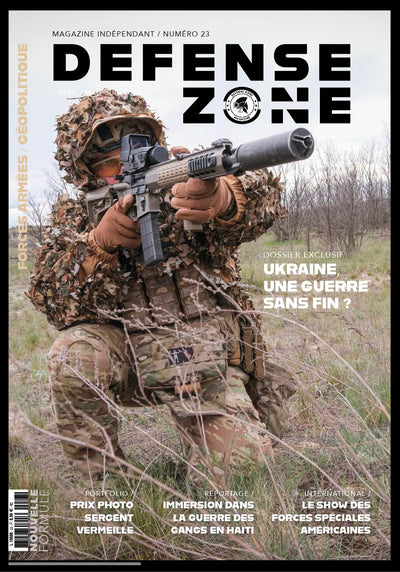
Read the rest of this article by Arwen Tonnelier (Jeunes IHEDN) in Défense Zone #23.
Further reading
Discover our geopolitics books and our excerpt on NATO’s preparation for cyberwarfare — and follow our news.