 DÉFENSE ZONE

Run by the Defence Digital Agency on behalf of the French Ministry of the Armed Forces, ARTEMIS.IA (Architecture de Traitement et d’Exploitation Massive de l’Information multi-Sources et d’Intelligence Artificielle: architecture for massive multi-source information processing and exploitation and artificial intelligence) was launched by the DGA (French Defence Procurement Agency) in November 2017. This project, of crucial importance for the armed forces, aims to develop a “sovereign and secure solution for massive data processing and artificial intelligence”. This platform will make it possible to “collect, store and cross-reference, in real time and securely” data from multiple sources and, at the same time, to provide the French armed forces with a sovereign storage infostructure. As Thomas Gomart pointed out during his recent hearing before the defence committee of the National Assembly, we are in the era of the “datafication of the world”. This is true both in civil society, where digitisation is matched only by the speed at which technologies evolve, and in the military world. Equipment is now bristling with sensors that allow it to be interconnected, generating a colossal volume of data in the process. ARTEMIS.IA should make it possible to process all this data “in order to quickly pass on to the forces the information they need to make decisions”, explains the Ministry of the Armed Forces. The first application will be delivered during 2023 to the joint intelligence function. Many other applications will follow, some of which have already been identified, such as monitoring military personnel’s health, maritime surveillance, predictive maintenance and cybersecurity. “The future prospects are very broad”, the ministry says with satisfaction, which is why ARTEMIS.IA is designed “as a modular platform” and why a development and integration kit will be made available to manufacturers and researchers “to encourage the rapid commissioning of new applications and speed up the innovation integration cycle.”
The first two phases of this project consisted of studying its feasibility and developing 6 use cases. The aim was, on the one hand, to test the solution in very different fields and, on the other, to put the companies carrying out these use cases in competition. The cost of these first two phases is estimated at 56 million euros. On 24 June last, the DGA placed the first order under the platform production contract with ATHEA, a joint venture between ATOS and Thales. This order paves the way for the third phase of the project: its industrialisation. Its exact cost has not been disclosed, but the Ministry of the Armed Forces does state that “the 2019-2025 Military Programming Law (LPM) devotes more than 700 million euros to the development of artificial intelligence technologies”.

Défense Zone magazine
Our quarterly magazine, on newsstands and online (in French).

In the same section
Intelligence →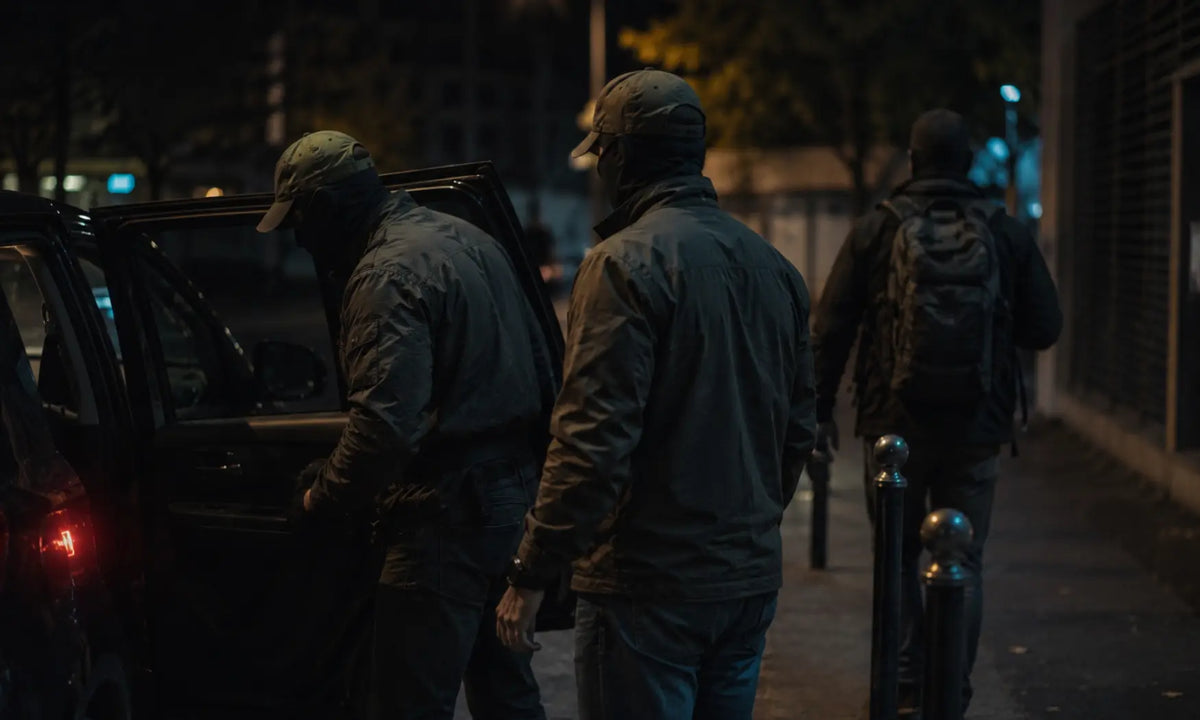
Intelligence
The DGSE’s Service Action: missions, recruitment and operations
30 September 2026

Intelligence · From the magazine
Resilience put to the test by cognitive warfare
25 September 2026

Books
Book review: “Espionnes — Six agents secrets d’exception” (Spies — Six exceptional secret agents), by Marie-Laure Buisson
17 September 2026

Books
Book review: “J’apprends à hacker” (I’m learning to hack), by Sara Sellos and Nicolas Fouville
14 September 2026